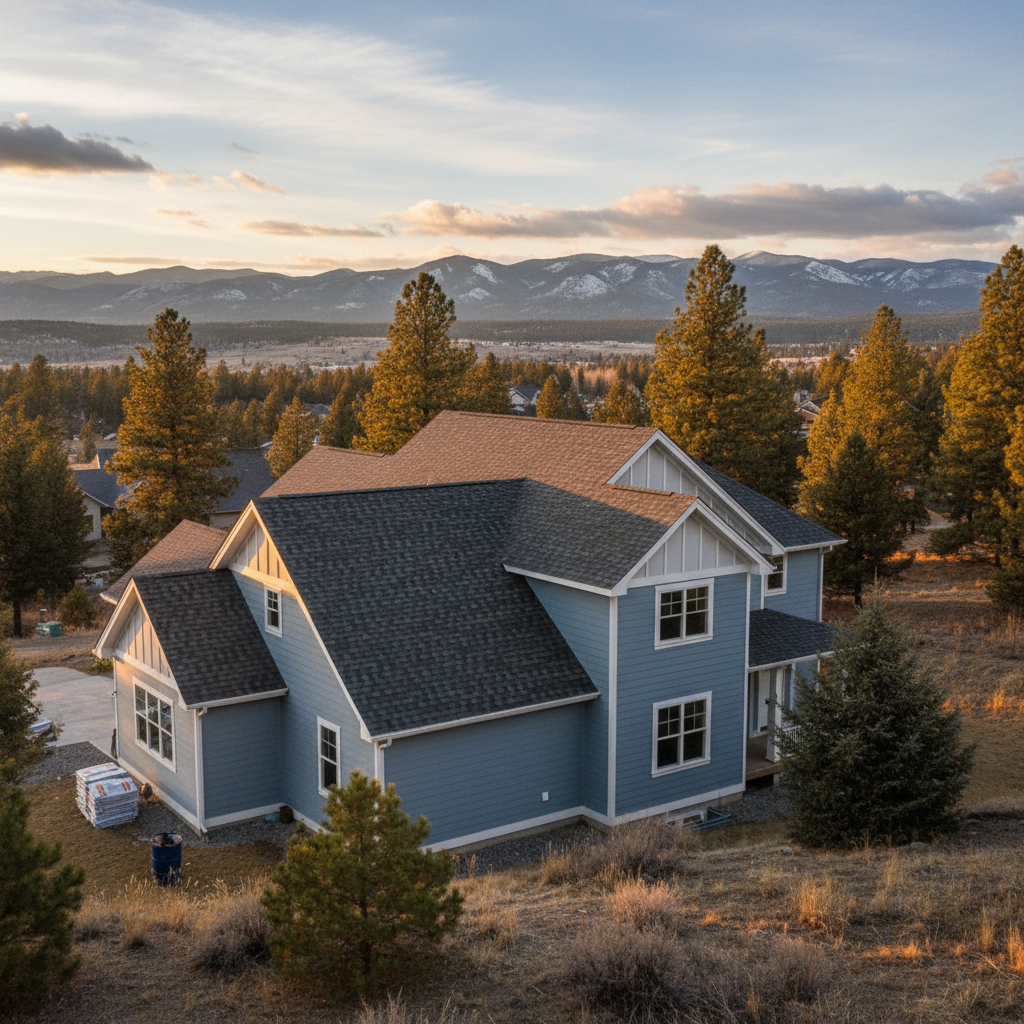
So, you're building a new place here in Helena, or maybe adding on to an existing one. That's exciting! But let's talk about the roof, because up here, it's not just a hat for your house; it's your first line of defense against everything Mother Nature throws at us. And believe me, she throws a lot.
Timing Your New Roof: It's All About the Seasons
When's the best time to put a new roof on a new build? Most folks immediately think summer, and yeah, that's often ideal. Warm, dry days mean materials behave well, seal properly, and crews can work efficiently. But our Helena summers can be short, and sometimes they come with those afternoon thunderstorms that just pop up out of nowhere.
Spring and fall can be great too, if you hit it right. You've got milder temperatures, which is good for the crew and for some materials. The trick is avoiding the wettest parts of spring and those early, unexpected snowfalls in the fall. We've seen it happen – a beautiful October day turns into a surprise blizzard overnight. That's why scheduling is key. You really want a good stretch of dry, moderate weather, not just a single sunny day.
Winter? Forget about it for new construction roofing unless it's absolutely unavoidable and you're using specialized cold-weather materials and techniques. It's just too risky, honestly. Cold temperatures can make shingles brittle, sealants won't stick properly, and ice and snow are a constant hazard for the crew. Plus, you definitely don't want moisture getting trapped under new materials. That's a recipe for problems down the road.
Weather Woes: What Really Affects Roofing Work
It's not just rain or snow that can halt a job. Here's what we, as roofers, are always watching:
- Temperature: Shingles, especially asphalt ones, need warmth to become pliable and for their adhesive strips to properly seal. If it's too cold, they won't seal down, making them vulnerable to wind lift. Too hot, and they can get soft and scuff easily.
- Wind: Helena's known for its wind, especially down by the valley or up on the ridges. High winds can make it dangerous for crews, blow materials off the roof, and even damage newly laid shingles before they've had a chance to seal. We've had days where we just can't work safely because the gusts are too strong.
- Humidity/Moisture: You don't want to install roofing materials on a damp deck or when there's a lot of moisture in the air. It can lead to issues like buckling or mold growth underneath.
- Sunlight: This one's actually a good thing for asphalt shingles. The sun's heat helps activate the adhesive, making them bond together and form a watertight seal.
When we give you a timeline, we're building in a buffer for these weather realities. We'd rather wait a day or two for ideal conditions than rush a job that won't stand the test of time.
Protecting Your Investment Year-Round in Helena
Once that new roof is on, your job isn't over. You've made a big investment, and here in Helena, you need to protect it. Our climate is tough, from the baking summer sun to the heavy winter snow loads and those spring thaws that bring ice dams.
Here's what you should be doing:
- Regular Inspections: I recommend a professional inspection at least once a year, ideally in the spring after the snow melts, or in the fall before winter sets in. We'll spot small issues before they become big, expensive ones – things like loose shingles, cracked vents, or clogged gutters.
- Keep Gutters Clean: This is huge, especially with all the pine needles and cottonwood fluff we get. Clogged gutters can lead to water backing up, overflowing, and causing damage to your fascia, soffits, and even your foundation. In winter, they're a major contributor to ice dams.
- Trim Trees: If you've got branches overhanging your roof, they're a hazard. They can scrape shingles, drop debris that clogs gutters, and in a heavy snow or wind storm, they can break and cause serious damage.
- Watch for Ice Dams: This is a big one for us. Proper attic ventilation and insulation are critical for preventing ice dams. If you see ice building up at your eaves, it means heat is escaping your attic and melting snow, which then refreezes. This can force water under your shingles and into your home.
At Helena Roofing Company, we don't just put roofs on; we help you keep them in top shape for years. We know what our local weather does to a roof, and we build and maintain accordingly. If you're planning a new build, give us a call. We can talk through the best timing and materials to make sure your new home is protected from day one.