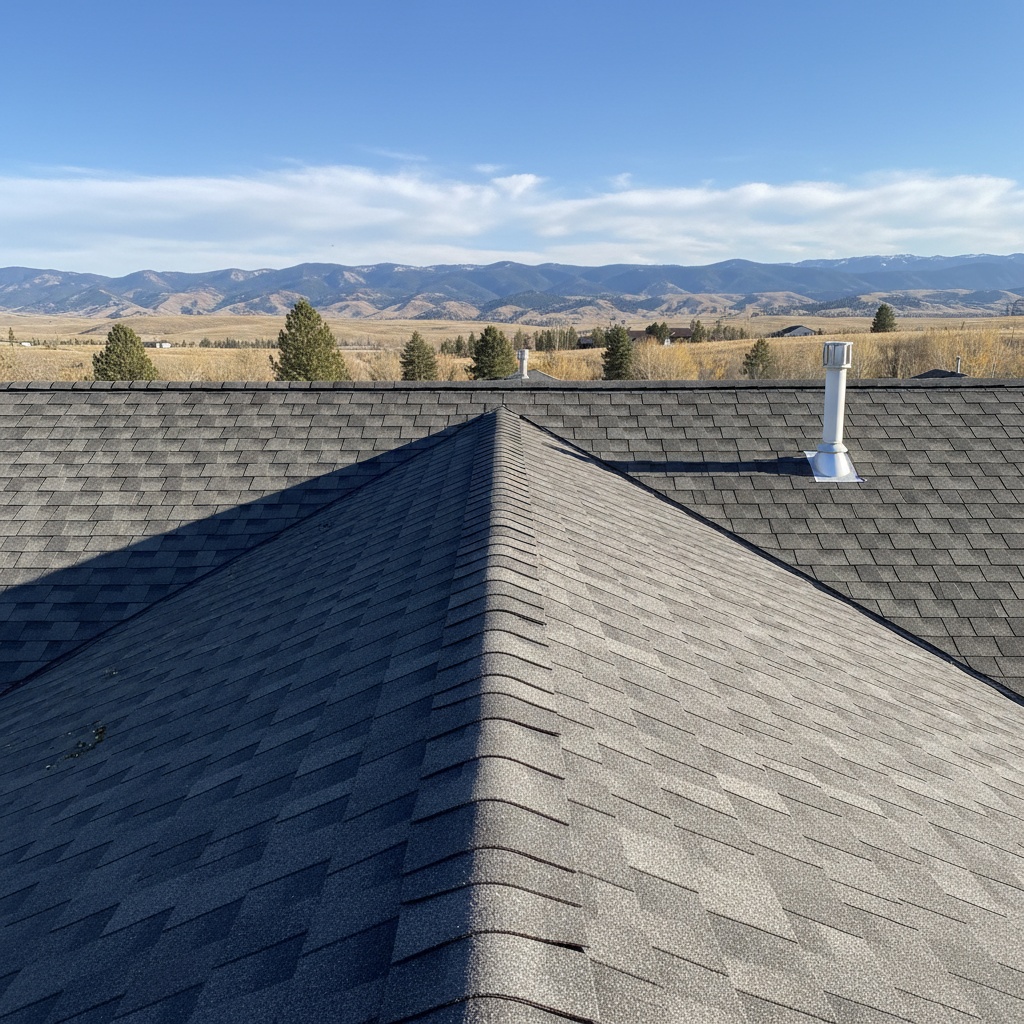
Drone vs. Traditional Roof Inspection: What's the Real Deal?
You're probably hearing a lot about drones these days, and yep, they've definitely made their way into roof inspections. It's a pretty common question I get: "Should I go with a drone inspection or have someone actually get up on my roof?" It's a fair question, honestly, and both ways have their ups and downs. For homeowners right here in Helena, knowing the difference can really save you some headaches and money later on.
Let's break down what each method offers, and then I'll tell you what I usually suggest for our specific conditions here in Big Sky Country.
The Drone Inspection: Quick, Safe, but Sometimes Limited
First up, drone inspections. On the surface, they sound pretty slick, don't they? You've got a drone flying over your house, snapping pictures, and nobody even sets foot on your roof. That's a huge plus for safety, especially if your roof has a really steep pitch or if you live in a multi-story home, which we see plenty of in spots like the Upper West Side or out past East Helena.
- Cost: Generally, drone inspections can sometimes be a bit cheaper upfront than a full manual inspection. That's mostly because they take less time on site and cut down on labor costs.
- Speed: They're fast. A drone can map an entire roof in minutes, grabbing hundreds of high-resolution images.
- Safety: No one has to climb up, so there's zero risk of a fall for the inspector.
- Documentation: You get a ton of photographic evidence. This is great for insurance claims or just keeping a record of your roof's condition over time.
But here's where the limitations pop up. A drone, no matter how fancy, is just taking pictures. It can't feel a soft spot under a shingle, you know? It can't lift a flashing to check if it's sealed right. It won't tell you if a vent boot is loose or if there's subtle granule loss that's not super obvious from above. It's a visual check, plain and simple. And if your house has heavy tree cover, or if it's windy – which, let's be real, it often is here in Helena – a drone might not even be able to get a good, close look at everything.
The Traditional Manual Inspection: Thorough, Experienced, and Hands-On
Now, let's talk about the traditional inspection. This is where an experienced pro, like one of the guys from Helena Roofing Company, actually climbs up on your roof. They'll walk the whole surface, get down on their hands and knees, and physically check every single component.
- Thoroughness: This is the biggest advantage. An inspector can feel for soft spots, check the integrity of shingles by hand, look closely at flashing around chimneys and vents, and examine gutters for blockages or damage. They're looking for things you just can't see from 20 feet away.
- Experience: A good inspector isn't just looking; they're interpreting. They know what signs of wear mean for our specific climate – the freeze-thaw cycles, the heavy snow loads, the hail we sometimes get. They can spot potential issues a drone's camera might completely miss.
- Immediate Feedback: Often, they can tell you right then and there what they're seeing, point out problem areas, and even suggest minor fixes on the spot.
- Detailed Assessment: You'll get a much more comprehensive report. Not just pictures, but an actual assessment of the roof's overall health, how much life it has left, and specific recommendations for repairs.
The downsides? It takes longer, and there's always a small risk for the inspector. It might cost a bit more upfront too, but you're paying for a level of detail and expertise you simply won't get from a drone.
My Recommendation for Helena Homeowners
Look, I'm not saying drones are useless. They're a fantastic tool for initial assessments, large commercial roofs, or quick follow-ups. But for your home here in Helena, especially with our tough Montana weather, I'm always going to recommend a traditional, hands-on inspection first. Why?
Our roofs take a beating. We get heavy snow that sits for months, then melts and refreezes. We get hail storms that can leave subtle, hard-to-spot damage. We've got high winds that can lift shingles just enough to compromise them, but not enough to be obvious from a distance. The clay soil we often build on can shift, leading to subtle structural movements that impact the roof. You need someone up there, feeling, probing, and using their experience to really understand what's going on.
A drone might tell you your roof looks okay from above, but it won't tell you if there's a soft spot near the chimney that's just waiting for the next big snowmelt to cause a leak. It won't tell you if the flashing around your skylight is starting to pull away. These are the things that lead to expensive repairs down the line if they're not caught early.
So, while the drone technology is cool, when it comes to the health of your biggest investment, nothing beats the eyes and hands of an experienced professional. Get someone up there. It's the best way to truly know what's happening on your roof and keep your home protected.