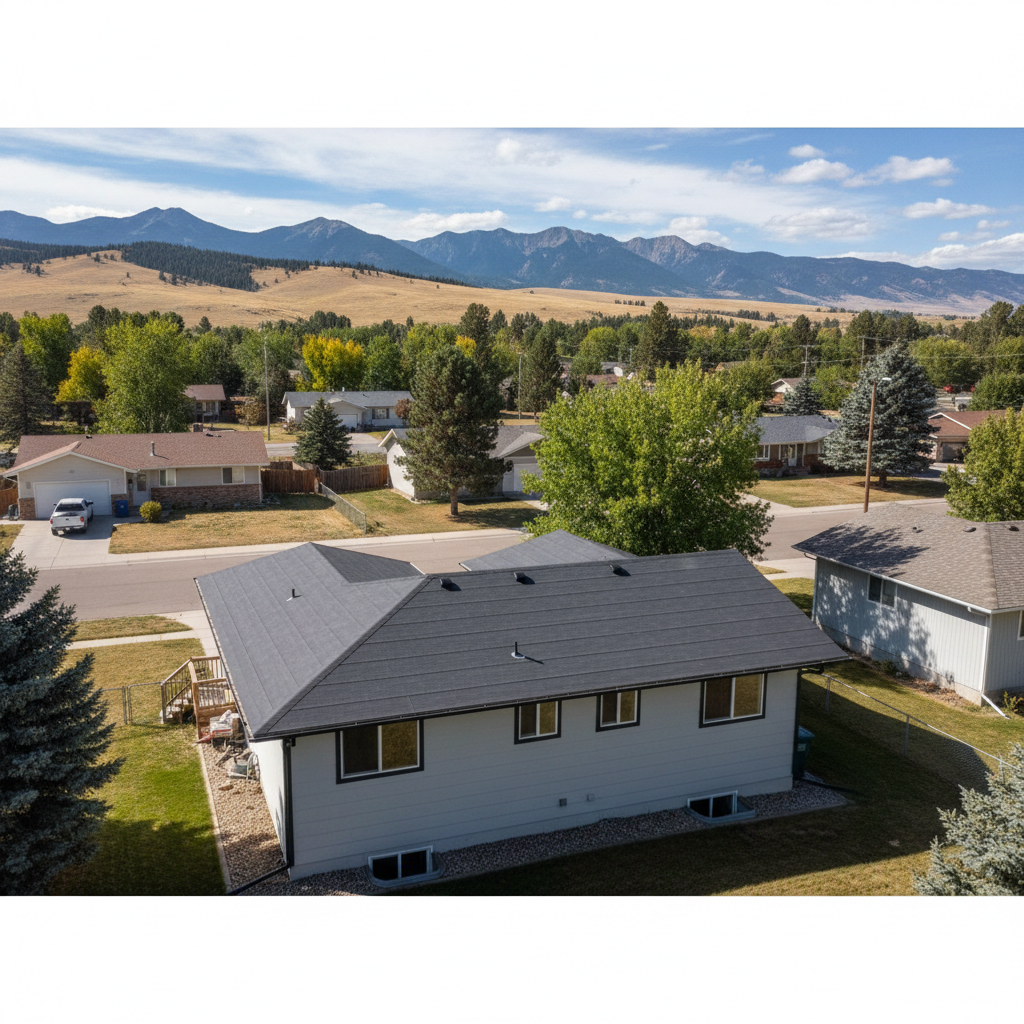
Flat roofs, or "low-slope roofs" as we often call them, aren't just for those big commercial buildings downtown. You'd probably be surprised how many homes around Helena, especially in some of those mid-century neighborhoods like the ones up near Mount Helena City Park, have a section — or even their whole roof — that's pretty flat. People often pick them for modern designs, or sometimes it's just how the building was originally put together, you know?
But here's the thing: a flat roof isn't really a "set it and forget it" kind of deal, especially with our Helena weather. They need a different sort of attention than your typical pitched shingle roof. If you've got one, you'll definitely want to know what to keep an eye out for.
Why Flat Roofs Need Special Care Here
Our climate really throws a lot at roofs. We get those heavy snowfalls that just sit and sit, then the big spring thaws. That's a true test for any flat roof. Unlike a steep roof where water sheds off pretty quickly, a low-slope roof really depends on its membrane and good drainage to stop water from pooling. If water just sits there too long, it'll find a way in, and then you're looking at trouble.
Then there's the sun. Our high-altitude sun can be super intense, and all that UV exposure can genuinely break down certain flat roofing materials over time. You might start seeing cracking, blistering, or even the surface getting brittle. Oh, and let's not forget those freeze-thaw cycles we experience, which can make materials expand and contract. That puts a lot of stress on seams and flashing.
Common Flat Roof Materials We See in Helena
You'll usually find a few main types of flat roofing around here:
- TPO (Thermoplastic Polyolefin): This one's pretty popular for new installations or when replacing an old roof. It's a single-ply membrane, usually white, which helps reflect sunlight and keep things cooler inside. It's quite durable, but the seams are super important.
- EPDM (Ethylene Propylene Diene Monomer): Folks often call these 'rubber roofs.' They're black and really flexible. They've been around a long time and are known for lasting ages, though they can absorb heat.
- Modified Bitumen: This is a cap sheet system, usually applied with a torch or sometimes it's self-adhered, and it has a granular surface. Think of it as a more modern take on built-up roofing. It's tough, but it can be more prone to UV damage if you don't maintain it properly.
Each of these has its own quirks when it comes to upkeep, but the main idea stays the same: keep the surface clean, the drains clear, and the seams sealed up tight.
What to Look For: Your Flat Roof Checklist
You don't need to be some kind of roofing expert to do a quick visual check a couple of times a year, especially after big storms or when all that heavy snow melts. Here's what I always tell people:
- Ponding Water: This is probably the biggest red flag you'll see. If water is sitting on your roof for more than 48 hours after a rain, you've definitely got a drainage problem or a sag in the deck. That's just asking for leaks.
- Cracks, Blisters, or Punctures: Walk the roof carefully (if it's safe, of course) and look for any damage to the membrane. Even tiny cracks can let water in. Blisters often mean moisture is trapped underneath, which is never good.
- Seam Integrity: The edges and seams where different sheets of material meet are common spots for things to go wrong. Check if they're lifting, cracking, or pulling apart.
- Flashing Around Penetrations: Vents, skylights, chimneys, and HVAC units all create openings in the roof. The flashing around these absolutely has to be watertight. Look for gaps, rust, or anything that looks like it's falling apart.
- Debris: Leaves, branches, and other junk can clog drains and scuppers, which then leads to ponding. Keep it clean up there!
If you spot any of these issues, please don't just hope they'll disappear. Small problems on a flat roof can turn into really big, expensive ones pretty fast. A little proactive maintenance or a quick repair can save you a ton of hassle down the road.
Why Local Expertise Matters for Flat Roofs
Look, anyone can slap a patch on a roof. But truly knowing what you're doing with flat roofing in Helena means understanding our specific conditions. We know how that intense sun affects TPO, how the freeze-thaw cycle impacts seams, and how to design drainage that can actually handle a foot of wet snow. We've seen it all, from the older modified bitumen roofs in the North Last Chance Gulch area to the newer TPO systems on homes out in the Valley.
At Helena Roofing Company, we've been working with flat roofs for years. We understand the nuances of each material and, more importantly, how to make them stand up to Montana's unique climate. Don't wait until you've got a leak dripping into your living room. Get it checked out. It's always better to be ahead of the curve when it comes to your roof, isn't it?