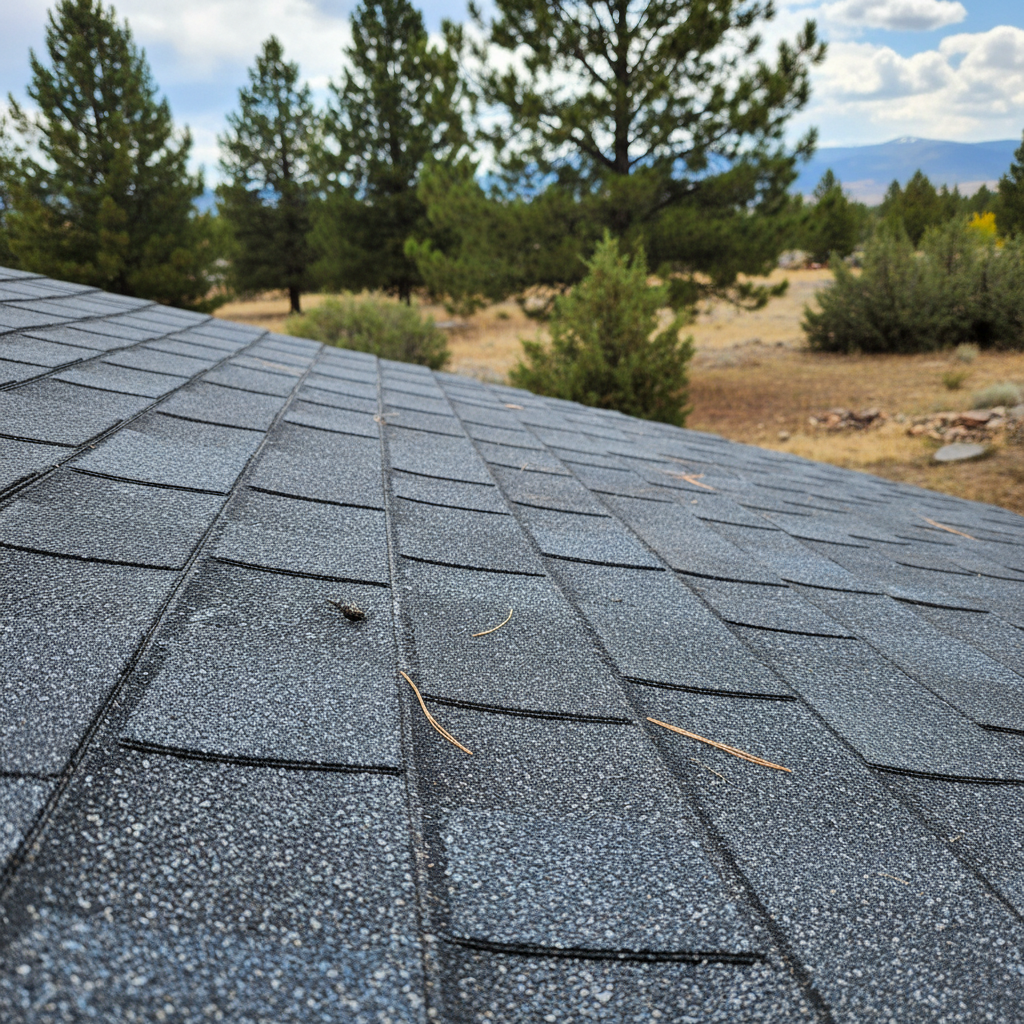
Alright, let's talk about storm damage. Because living in Helena, it's not a matter of if you'll deal with it, but when. We get everything from those sudden summer hailstorms that can shred a roof in minutes to heavy winter snow loads that put serious stress on structures. When the wind howls or the hail starts pounding, your home takes a beating. So, what do you do when the dust settles?
First Things First: Safety & Immediate Steps
Your safety and your family's safety is always the absolute priority. Don't go climbing on a damaged roof during a storm, or even right after if it's still dangerous. Power lines down? Stay clear. Gas smell? Get out and call NorthWestern Energy.
Once it's safe, here's what you can do immediately:
- Assess from the Ground: Walk around your house. Look for obvious issues: missing shingles, dents in gutters, broken windows, downed fences, trees on your roof or car. Take pictures or video of everything you see – good and bad. This is crucial for insurance.
- Temporary Fixes (Carefully!): If you have a small, active leak, you might be able to tarp it yourself. I'm talking about a simple, easily accessible spot, like a small hole in a shed roof, not your main house roof if it's steep or high. If you're not comfortable or don't have the right safety gear (ladder, sturdy shoes, a spotter), don't risk it. A fall isn't worth saving a few bucks. For a broken window, you can board it up with plywood to keep the elements out.
- Document, Document, Document: I can't stress this enough. Photos and videos are your best friends. Get close-ups, wide shots, and shots that show the damage in context. Date them. This evidence is gold when you're talking to your insurance company.
When to Call a Pro (and Who to Call)
This is where most homeowners need help, and honestly, it's where you should get it. You might be handy, but storm damage often involves structural integrity, water intrusion, and working at heights – things that are best left to licensed, insured professionals.
- Roof Damage: Unless it's a single, easily accessible shingle you're replacing on a low-slope roof, call a roofing contractor. We've got the safety gear, the experience, and we know what to look for that you might miss. Hail damage, for example, can be subtle – small dents that compromise the shingle's integrity over time. We see that all the time in areas like the Helena Valley, where open fields mean winds really whip up.
- Major Water Leaks: If water is pouring in, you need someone fast. A roofer can tarp it properly, and then you might need a water damage restoration company to dry out your home and prevent mold.
- Structural Damage: If a tree has fallen on your house, or you see cracks in your foundation or walls that weren't there before, you'll need a general contractor or even a structural engineer.
- Electrical Issues: If the storm caused any electrical problems, always call a licensed electrician.
When you call someone, make sure they're local, licensed, and insured. Ask for references. A reputable company like Helena Roofing Company will be happy to provide them. Be wary of storm chasers – those out-of-state companies that pop up after a big storm, do quick, shoddy work, and then disappear. They often offer to waive your deductible, which is illegal, by the way.
Dealing with Insurance
This part can be a headache, but it's manageable if you're prepared.
- Contact Your Insurer Promptly: The sooner you file a claim, the better. Have your policy number ready.
- Provide Your Documentation: Send them all those photos and videos you took.
- Meet with the Adjuster: Your insurance company will send an adjuster to inspect the damage. It's a good idea to have your contractor there with you. We can point out damage the adjuster might miss and ensure everything is properly documented for the claim. We speak their language, and that can really help move things along.
- Get Multiple Estimates: Your insurance company might want a few estimates. That's standard. Just make sure you're comparing apples to apples – make sure each estimate details the same scope of work and materials.
- Understand Your Policy: Know your deductible and what your policy covers. Some policies have separate deductibles for wind or hail.
After the Repairs: What to Expect
Once the repairs are done, do a final walkthrough with your contractor. Make sure you're satisfied with the work. Get all warranties in writing – for materials and for the labor. Keep all your documentation related to the claim and repairs in a safe place.
Storms are a fact of life here in Montana. Being prepared, knowing what to do, and who to call can make a huge difference in how smoothly your recovery goes. Don't hesitate to reach out to local pros when you need them. We're here to help you get your home back in shape.